
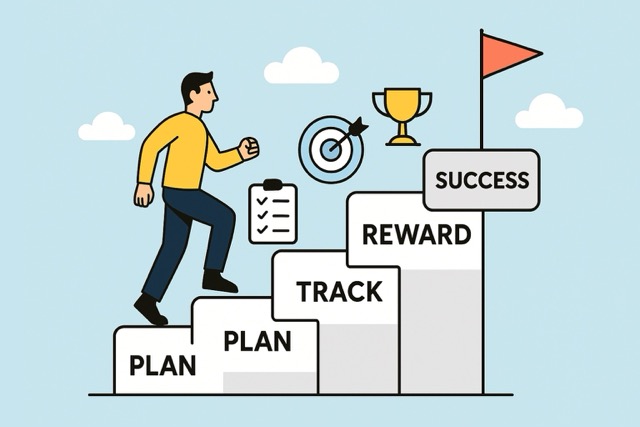
If you’re serious about achieving personal success, you need a goal-setting process that works—not just in theory, but in your actual life. Goals give you direction, focus your energy, and help you build discipline. But setting a goal isn’t enough. You need a plan, a system, and the right mindset to follow through. This article walks you through clear, actionable strategies for setting goals that stick, breaking them down into steps you can actually complete, and building momentum without burning out. Whether you’re chasing a promotion, launching a business, or just trying to improve a daily habit, you’ll find the tools you need here to stay consistent, stay clear, and stay in motion.
Define the Result You Want—Not Just the Action
The first step to goal setting is clarity. Vague goals like “be healthier” or “save more money” don’t tell you what success looks like. You need to define the result you’re after. Think about what “success” means for you in specific, measurable terms.
Instead of saying you want to get fit, say you want to run a 5K in under 30 minutes or lose 10 pounds in three months. If your goal is financial, don’t just say you want to save—set a target like “build a $5,000 emergency fund in six months.” When your outcome is clearly defined, every action you take becomes a step toward something concrete.
Break Big Goals into Smaller Wins
Big goals tend to feel motivating at first and overwhelming shortly after. If your goal is to write a book, it might sound inspiring—until you’re staring at a blank page with no idea where to begin. That’s where breaking things down becomes essential.
Take the large goal and reverse-engineer it. Set checkpoints along the way—like writing one chapter per week or hitting a 500-word daily target. These smaller tasks are easier to commit to, and checking them off gives you a sense of momentum. Each win builds your confidence and keeps you engaged, even when motivation starts to dip.
Set a Realistic Timeline—But Don’t Leave It Open-Ended
Deadlines push you to act. Without one, a goal becomes a “someday” item, and “someday” almost always turns into “never.” You need to give yourself a reasonable timeframe—long enough to be achievable, but short enough to maintain urgency.
Don’t just pick a date and hope for the best. Break your timeline down into weekly or monthly milestones. That way, you can track progress regularly and spot slowdowns early. If your goal is to learn a new language in six months, map out specific checkpoints: vocabulary targets, lessons completed, or conversation benchmarks. Timeboxing gives your brain the pressure it needs to stay committed.
Track Your Progress—And Learn From the Gaps
You can’t improve what you don’t measure. Tracking your progress keeps your goal visible and helps you stay accountable. Whether you prefer a notebook, spreadsheet, or mobile app, what matters is consistency. Check in with yourself every week. Are you moving forward? What slowed you down? What worked better than expected?
When you miss a target, don’t beat yourself up—analyze it. Was the step too big? Was your time unrealistic? Did something else take priority? Adjust as needed, and treat it like a course correction, not a failure. This kind of feedback loop turns setbacks into learning and keeps you from repeating the same mistake twice.
Make Your Environment Support the Goal
Willpower is limited. Your surroundings either make success easier or harder. If your goal is to eat better, stocking your kitchen with junk food creates friction. If your goal is to focus more, working in a cluttered room with your phone buzzing nearby sets you up to fail.
Change the environment so it nudges you in the right direction. Set up reminders where you’ll see them. Keep tools you need visible and easy to access. Automate where possible—auto-transfers for saving goals, calendar alerts for deadlines, or accountability check-ins with someone you trust. Your environment should pull you toward the goal, not against it.
Stay Flexible Without Losing Sight
Life throws surprises, and your goals might need to adjust along the way. The key is knowing the difference between quitting and recalibrating. If your deadline is no longer realistic because of a job change, a family issue, or something unexpected, shift the plan—but keep the aim.
The core idea behind flexibility is staying aligned with the outcome while being adaptable in the approach. If one tactic doesn’t work, try another. If one schedule becomes unmanageable, rebuild a new one. Don’t get emotionally attached to how you thought it would go. Stay focused on where you’re heading.
Use Accountability and Rewards to Stay Engaged
Accountability adds external pressure—and that’s a good thing. When someone else knows what you’re trying to achieve, you’re more likely to follow through. This doesn’t mean sharing every goal publicly. It could be as simple as telling one person, checking in weekly, or using an app that tracks your progress and sends reminders.
Pair accountability with rewards. When you hit a milestone, give yourself something to look forward to. It doesn’t have to be big—a break, a small treat, or even a moment to celebrate the progress. These mini-rewards train your brain to associate effort with satisfaction, which strengthens the habit over time.
What Are the Keys to Effective Goal Setting?
- Define clear, measurable outcomes
- Break goals into smaller tasks
- Set deadlines and track progress
- Adjust strategies without quitting
- Use accountability and celebrate wins
In Conclusion
Goals aren’t just about motivation—they’re about execution. If you wait until you’re inspired every day, you’ll never make consistent progress. But when you build a structure, create feedback loops, and stay grounded in small wins, success becomes less of a mystery and more of a method. You already know what you want. The next step is turning that into a process that fits your life, adapts to your obstacles, and keeps you moving. You don’t have to get it perfect. You just have to keep going.
Eager for more in-depth insights and ongoing discussions on personal growth, goal achievement, and building a successful life? You can find more of my writing on my WordPress blog.

Jay Holstine is a Vistage Chair and veteran tech CEO with 20+ years of experience in SaaS and operations. The founder of SigmaFlow and former CEO of Freightflow, he now leads a Dallas–Fort Worth CEO peer group and advises executives on strategy, process improvement, and scalable growth.